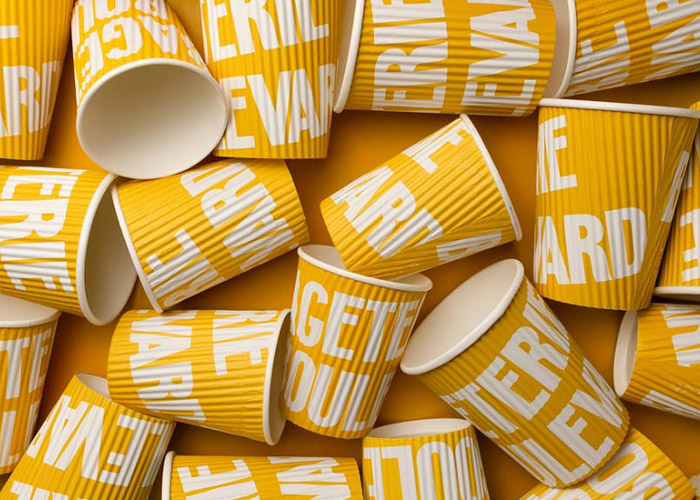
In today’s fast-paced world, disposable plastic cups have become an integral part of our daily lives. From morning coffee runs to takeout meals and outdoor events, these lightweight and convenient containers seem indispensable. However, the widespread use of disposable plastic cups comes with a heavy environmental cost that cannot be ignored. This article explores the impact of disposable plastic cups on the planet, highlights the latest trends in sustainable alternatives, and offers practical tips for making eco-friendly choices.
The Ubiquity of Disposable Plastic Cups: Why Do We Use Them?
Disposable plastic cups are everywhere, and their popularity stems from several key factors. First and foremost is convenience: they are lightweight, easy to carry, and require no cleaning, making them ideal for on-the-go lifestyles. Businesses, including cafes, restaurants, and convenience stores, favor them for their low cost and ease of storage. Additionally, disposable plastic cups are often used for hygiene purposes, especially in public settings where shared utensils may raise concerns.
According to recent statistics, billions of disposable plastic cups are used globally every year. In the United States alone, it’s estimated that over 25 billion disposable plastic cups are discarded annually, with a significant portion being single-use coffee cups. This massive consumption has made disposable plastic cups one of the most common items found in landfills and ocean debris.
Environmental Impact of Disposable Plastic Cups
The environmental consequences of disposable plastic cups are far-reaching, affecting land, water, and air ecosystems.
1. Pollution and Landfills
Most disposable plastic cups are made from polyethylene terephthalate (PET) or polystyrene, materials that are not biodegradable. When discarded, they can take hundreds of years to break down in landfills. As they decompose, they release harmful chemicals into the soil and groundwater, contaminating natural resources. Moreover, the sheer volume of disposable plastic cups contributes to overcrowded landfills, putting pressure on waste management systems worldwide.
2. Ocean Pollution
Disposable plastic cups are a major contributor to ocean pollution. Many end up in waterways through improper disposal, storm drains, or littering. Once in the ocean, they break down into microplastics—tiny plastic particles that are ingested by marine life, from plankton to whales. This not only harms individual animals but also disrupts the entire marine food chain. Studies have shown that microplastics have been found in seafood, drinking water, and even the air, posing potential risks to human health.
3. Carbon Footprint
The production of disposable plastic cups involves the extraction of fossil fuels (primarily petroleum), a process that releases greenhouse gases into the atmosphere. From manufacturing to transportation and disposal, every stage of a disposable plastic cup’s lifecycle contributes to climate change. Compared to reusable alternatives, the carbon footprint of a single disposable plastic cup is significantly higher, making it a less sustainable choice for the planet.
Are Disposable Plastic Cups Recyclable? The Truth About Recycling
Many people assume that disposable plastic cups are recyclable, but the reality is more complex. While some plastic cups (such as those made from PET) can technically be recycled, several factors limit their recyclability. One of the main issues is contamination: disposable plastic cups are often lined with a thin layer of polyethylene to prevent leakage, which makes them difficult to separate during the recycling process. Additionally, cups that have been used for food or drinks are often contaminated with residues, further reducing their recyclability.
Furthermore, not all recycling facilities accept disposable plastic cups. In many regions, they are considered a low-value recyclable item, meaning they are often sent to landfills instead of being processed. This is why it’s crucial to check your local recycling guidelines before disposing of disposable plastic cups.
Sustainable Alternatives to Disposable Plastic Cups
The good news is that there are plenty of eco-friendly alternatives to disposable plastic cups that are both practical and sustainable. Here are some of the best options:
1. Reusable Stainless Steel Cups
Stainless steel cups are durable, lightweight, and easy to clean. They are also non-toxic, BPA-free, and can keep drinks hot or cold for hours, making them perfect for coffee, tea, or cold beverages. Many cafes and coffee chains offer discounts to customers who bring their own stainless steel cups, making them a cost-effective choice in the long run.
2. Glass Cups
Glass cups are another excellent alternative. They are 100% recyclable, non-toxic, and do not retain odors or flavors. While glass is slightly heavier than plastic, it is extremely durable and can be reused indefinitely. For on-the-go use, look for glass cups with a silicone sleeve to prevent breakage.
3. Paper Cups (Compostable)
Compostable paper cups are a better choice than disposable plastic cups, but it’s important to choose the right ones. Look for paper cups that are lined with plant-based materials (such as PLA) instead of plastic. These cups will break down in a composting facility within a few months, reducing their environmental impact. However, it’s worth noting that compostable paper cups still require energy and resources to produce, so they are best used as a last resort rather than a primary option.
4. Bamboo Cups
Bamboo cups are made from a fast-growing, renewable resource. They are lightweight, durable, and biodegradable. Bamboo cups are a great choice for outdoor events, picnics, or anyone looking for a natural alternative to plastic.
Tips for Reducing Your Use of Disposable Plastic Cups
Making small changes to your daily routine can have a big impact on reducing the number of disposable plastic cups you use. Here are some practical tips:
-
Keep a reusable cup or water bottle with you at all times. This way, you’ll always have an alternative when you’re on the go.
-
Choose cafes and restaurants that offer discounts for customers who bring their own reusable cups. Many chains now offer 10-20% off your drink when you use a reusable container.
-
Avoid buying single-serve drinks in disposable plastic cups. Instead, make your coffee, tea, or smoothies at home and take them with you in a reusable cup.
-
Hosting an event? Use reusable or compostable cups instead of disposable plastic ones. This is a great way to set an example and encourage others to make sustainable choices.
-
Educate your friends and family about the environmental impact of disposable plastic cups. The more people who are aware, the more likely we are to make collective changes.
The Future of Disposable Plastic Cups: Regulations and Innovations
As the environmental impact of disposable plastic cups becomes more widely recognized, governments and businesses around the world are taking action. Many countries have implemented bans or restrictions on single-use plastics, including disposable plastic cups. For example, the European Union has banned single-use plastic cups (along with other items like straws and cutlery) since 2021. In the United States, several states and cities have also introduced similar regulations.
In addition to regulations, there are also exciting innovations in the field of sustainable packaging. Researchers are developing new materials that are biodegradable, compostable, and made from renewable resources. For example, some companies are now producing cups made from seaweed, which is 100% biodegradable and requires no fresh water or fertilizer to grow. These innovations offer hope for a future where we can enjoy the convenience of disposable cups without harming the planet.
Conclusion: Making Sustainable Choices for a Greener Planet
Disposable plastic cups may be convenient, but their environmental cost is too high. From polluting our oceans and landfills to contributing to climate change, the impact of these small containers is significant. However, by choosing reusable alternatives, reducing our consumption, and supporting sustainable innovations, we can all play a role in reducing the harm caused by disposable plastic cups.
Remember, every choice you make matters. Whether it’s bringing your own reusable cup to the café, choosing a compostable option when necessary, or advocating for change in your community, you can help create a greener, more sustainable future. Let’s work together to leave a planet that is healthy and vibrant for generations to come.