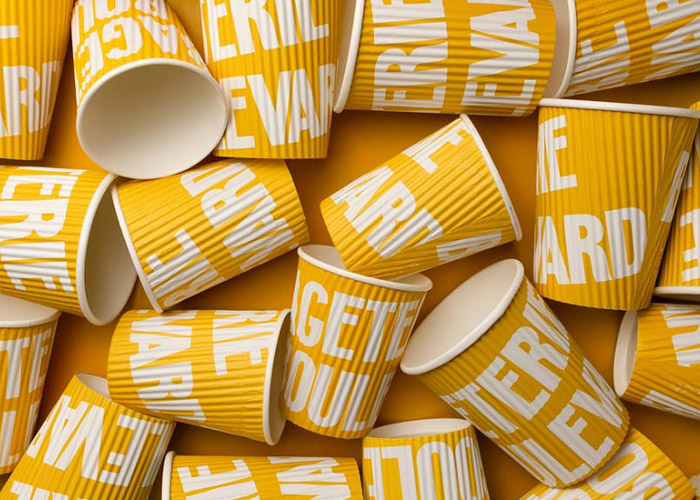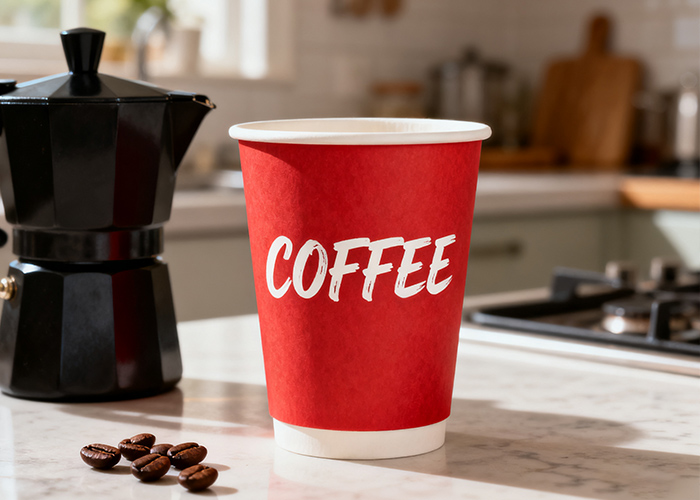
Disposable cups are ubiquitous in our daily lives, playing a significant role in coffee shops, bubble tea shops, and offices alike. However, the debate over the relative merits of paper and plastic cups has always been a focal point of discussion.
Advantages and disadvantages of paper cups: Advantages:
Environmental friendliness: Paper cups are primarily made from pulp, which can be recycled in theory. Additionally, some paper cups are made from biodegradable materials, causing minimal environmental pollution.
Safety: Relatively speaking, the material of paper cups is more skin-friendly, making them more comfortable and safe for holding beverages for extended periods.
Disadvantages:
Inner wall coating: To prevent liquid penetration, the inner wall of paper cups is usually coated with a layer of plastic film, which may contain harmful substances and is not easily degradable.
Inadequate strength: Paper cups have weak strength, making them prone to deformation when holding hot beverages, and their load-bearing capacity is limited.
Advantages and disadvantages of plastic cups: Advantages:
Durability: Plastic cups have high strength, are not easily deformed, and can be reused.
Thermal insulation: Plastic cups have good thermal insulation properties, making them suitable for holding hot beverages.
Disadvantages:
Environmental pollution: Plastics are not easily degradable, causing severe pollution to the environment and being the primary source of white pollution.
Health hazards: Some inferior plastic cups can release harmful substances when exposed to high temperatures, posing a threat to human health.
How to choose?
Whether to choose paper cups or plastic cups requires a comprehensive consideration of the following factors:
Environmental awareness: If you are environmentally conscious, you can choose biodegradable paper cups or try to reduce the use of disposable cups.
Usage scenario: If long-term heat retention is required, or if the liquid to be contained is relatively heavy, a plastic cup may be more suitable.
Material of cup: Choose cups from reputable brands, and opt for food-grade materials to ensure safety.
In summary, both paper cups and plastic cups have certain drawbacks. The most environmentally friendly approach is to minimize the use of disposable cups and bring your own water bottle or thermos cup. If disposable cups are necessary, it is recommended to choose biodegradable paper cups and pay attention to the material and production process of the cups.
Overall, with the increasing awareness of environmental protection today, paper cups are favored due to their degradability. However, we still need to continuously explore more environmentally friendly and safer packaging materials to jointly protect our environment.